
The Journal
Good photographs begin with decisions. What the image needs to communicate, how you prepare, and where the finished work will be seen all deserve consideration.
Here, I share the thinking behind my work at Yevette Lynn Photography. These articles offer a closer look at professional presence, portrait experiences, and photographic art, with guidance you can use before choosing a session or a photograph for your space.
Explore by topic
-
Your headshot is a professional introduction. The useful question is not simply whether it is flattering, but whether it represents you clearly and fits the work you do.
Explore considerations such as expression, wardrobe, framing, and the difference between a photograph that still looks like you and one that no longer reflects how you present yourself. The aim is to help you make informed decisions without turning your appearance into a problem to solve.
What Does a Headshot Investment Cover?
One Executive Headshot, Two Front Doors: How Tony Page Uses His Portrait
What If You Think You Are Not Photogenic?
What Should You Wear for a Professional Headshot?
What Makes an Executive Headshot Different From a Portrait?
How Your LinkedIn Headshot Fits Your Professional Identity
Keeping Your Professional Identity Current Online
Does Your Professional Headshot Still Represent You?
-
A business image library should do more than fill empty space. Each photograph needs a purpose, whether it introduces a person, shows the work, or gives context to an offer.
These articles consider how to plan photography around actual use. Topics include preparing for branding sessions, coordinating team headshots, and building a collection that works together without making every image look the same.
What Does Your Lobby Say Before You Do?
-
You do not need to arrive at a portrait session knowing how to pose. It is more useful to understand what you want from the photographs and which parts of the experience you would like help navigating.
This part of the Journal looks at preparation, direction, and the decisions that shape a personal portrait. It also makes room for questions about the process, from the first conversation to choosing how you will keep and enjoy the finished work.
-
Choosing a photograph for a room is not only a question of matching its colors. Scale, viewing distance, presentation, and your response to the image all deserve attention.
Explore ways to consider photographic art for a home or professional setting. The goal is not to find a photograph that disappears into the room, but one you will want to spend time with.
-
A restaurant photograph has one job before any other: to be believed. The plate a guest sees online should be the plate that arrives at the table.
These articles look at how dishes, rooms, and the people who run them are photographed together, and how a restaurant can prepare so the images reflect what it actually serves.
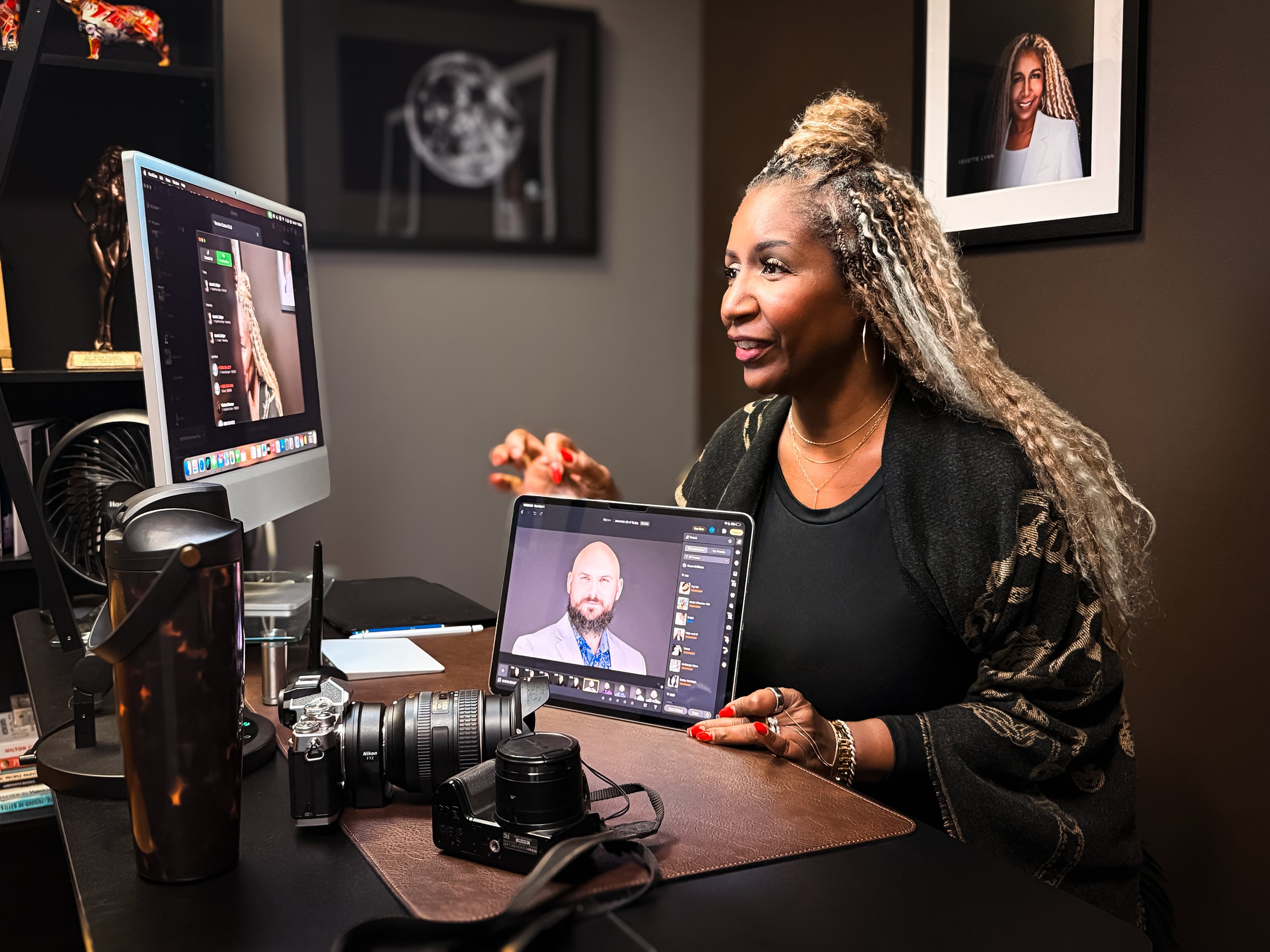
What a Corporate Headshot Investment Actually Covers
A headshot investment covers the right image, not a gallery of options. Here is what clients receive, from in-studio selection to natural retouching and a team image library.
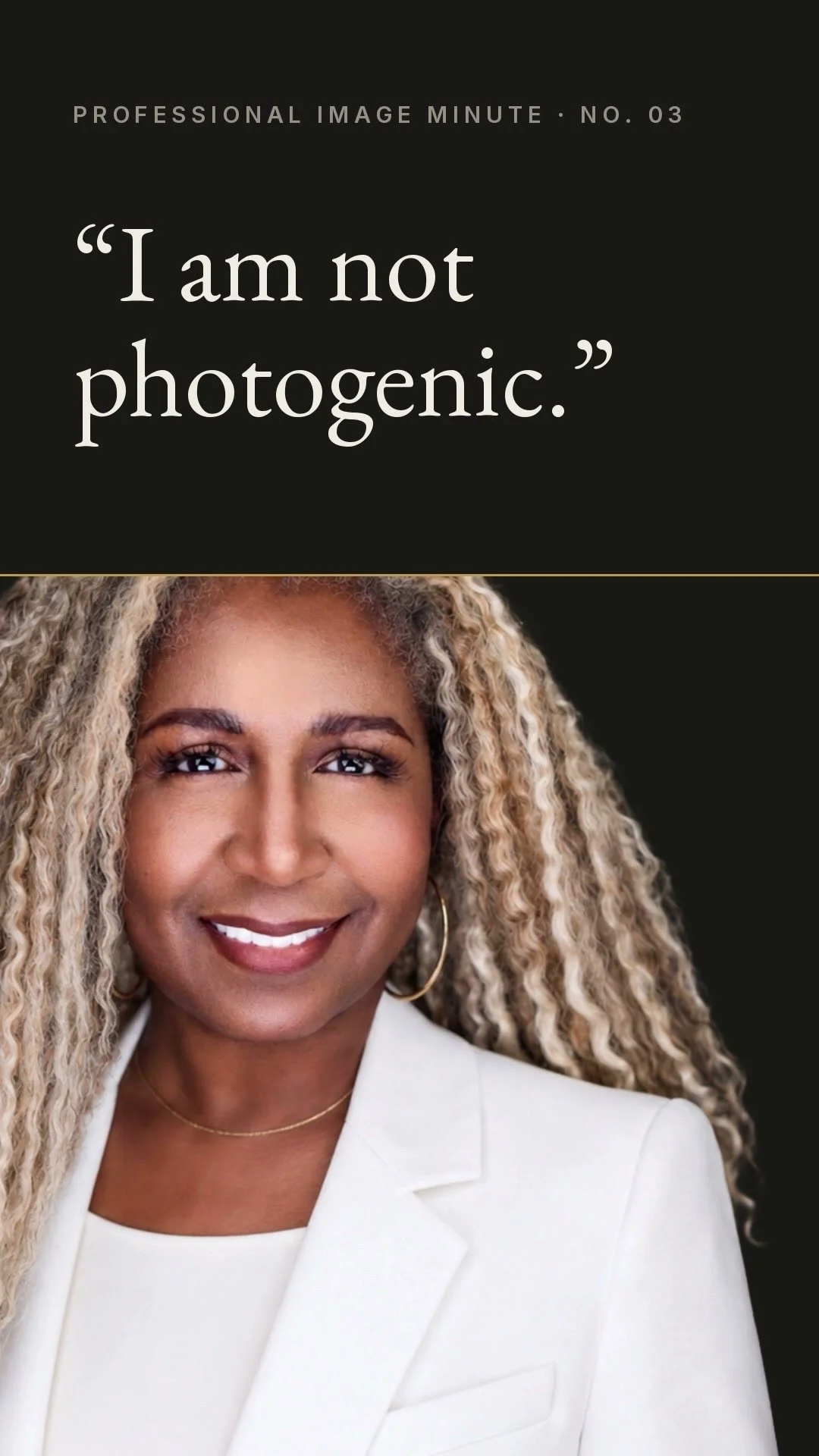
"I'm Not Photogenic" Usually Means You've Never Been the Priority in a Photo
Most people who say "I'm not photogenic" have never been the priority in a photo. What changed on a 25-person team headshot day, and what organizers can prepare.

What to Wear for a Professional Headshot: The Three Things That Actually Matter
Fit matters more than color. What to wear for a professional headshot, what to bring, and what to skip, from a Kingsport executive headshot photographer.

What Makes an Executive Headshot Different From a Regular Portrait
An executive headshot is a photograph made to win a decision you are not present for. A portrait is about you. An executive headshot is about what a board member, client, or event organizer concludes in the second and a half before they read your name.
A place to begin
Read what is useful to you now. You may be preparing for a headshot, planning photography for a business, or simply looking more closely at the work.
When a question becomes specific to your own project, we can continue the conversation. An article can provide context; it does not need to make every decision for you.