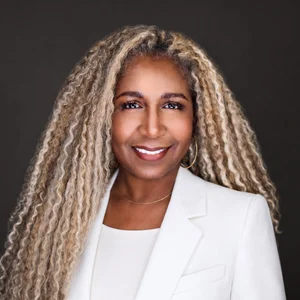
Choosing the Right Photographer for Headshots
Long before you say hello, your online profile has already spoken for you. Whether someone is scanning LinkedIn, reading your bio on a company website, or checking you before a meeting, your headshot becomes a first impression---and it needs to feel like you at your best. If you're in the Tri-Cities area (Kingsport, Johnson City, Bristol, and surrounding communities), Choosing the Right Photographer for Headshots can help you create a polished, credible professional portrait that fits your industry and your personality.
A strong headshot photo isn't just a nice photo. It's a business asset that reaffirms trust, clarity, and consistency across your brand and leads to results-driven professional headshots.
Summary
Decide how your headshot will be used and the tone you want to convey, then choose a photographer whose portfolio shows consistent, natural outcomes. Studio sessions provide controlled, reliable polish; on-site shoots are efficient for cohesive team headshots; DIY can work in a pinch---but only with thoughtful light, framing, and wardrobe. For readers exploring how to take a professional headshot or how to take professional photos at home, keep technique simple and intentional. Evaluate portfolios for clean retouching, engaging eyes, flattering angles, and distraction-free backgrounds, and clarify pricing, retouching, and usage rights. Prioritize photographers who offer clear direction and make you comfortable---key to authentic expressions---especially for professionals in the Tri-Cities.
Start With the End in Mind: How Will the Headshot Be Used?
Before you compare portfolios, get specific about where this image will live. Usage affects everything: crop, background, lighting style, wardrobe choices, and expression. As you plan how to shoot headshots, consider where to take a headshot---studio, office, or outdoors---so the setting reinforces your message.
LinkedIn and resumes: Tight, clean crops that read well on small screens. Professional headshots for resume submissions should be clear, recent, and consistent with your brand.
Company website and team pages: Consistency across everyone (lighting, background, framing).
Speaking engagements and press: Editorial polish with flattering, confident direction.
Marketing and ads: More intentional brand styling (color palette, environment, composition).
When you can describe the goal (approachable, authoritative, creative, calm, bold), you'll choose a photographer who can deliver that on purpose---not by accident.
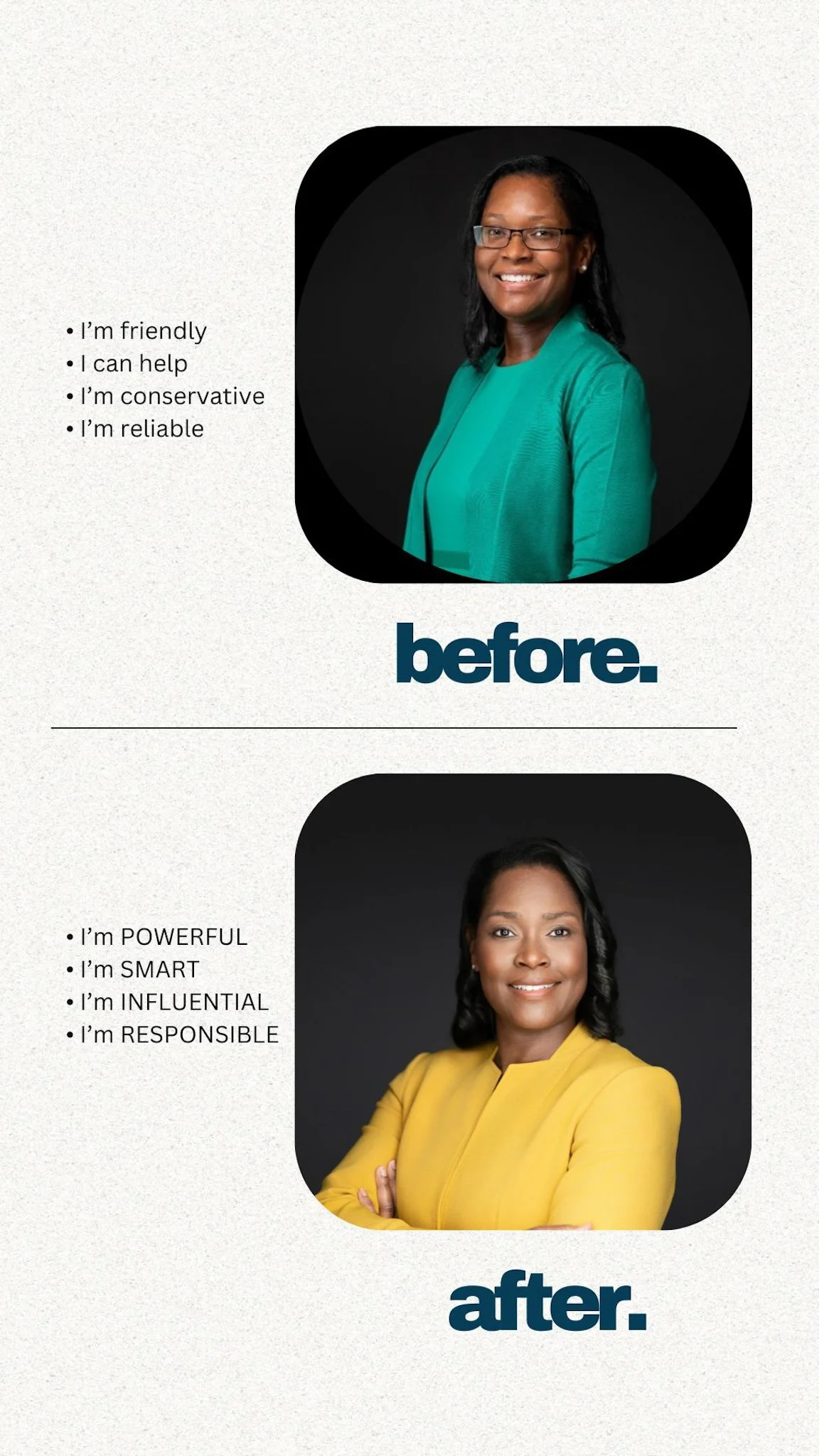
A headshot transformation showing the shift from approachable to authoritative, captured through intentional styling and portrait photography by Yevette Lynn.
Reading Between the Frames: How to Evaluate a Photographer's Portfolio Without Being an Expert
A photographer's website is their highlight reel. The key is consistency across many different people---not one amazing image of a model. These quick professional headshot tips can guide your review. As you evaluate galleries, look for these fundamentals:
Skin and retouching: Clean and professional without making people look plastic or overly blurred.
Eye engagement: Catchlights and sharp focus that make the eyes feel alive.
Flattering angles: Faces look natural, not distorted, with good posture and jawline control.
Background discipline: Nothing fights the subject; everything supports the face.
If the portfolio shows repeatable quality, the next step is choosing the right environment for the shoot. These are timeless tips for a great headshot whether you hire a pro or attempt taking your own headshots.
Why Studio Headshots Are the Gold Standard
A studio headshot session is designed for one thing: reliable, flattering results. Controlled lighting removes the guesswork of weather and mixed light sources, and it allows the photographer to shape the face intentionally (especially around the eyes, cheekbones, and jawline). This is why studio work is often the best choice for business headshots, medical and legal professionals, executives, and anyone who needs a crisp, confident look. If you need a single professional portrait that looks consistent across platforms, the studio is often ideal. If you're wondering how to take the best headshot, studio control often wins.
Studio sessions also tend to deliver:
Consistency: Useful if you need multiple looks over time or want a cohesive team style.
Better direction: A photographer can coach posture, chin placement, and micro-expressions frame by frame.
Clean options: Background choices that match LinkedIn, website, and print needs.
On-Site Team Headshots: When It Makes Sense to Bring the Studio to Your Company
If you need headshots for multiple employees, an on-site session can be the most efficient solution---especially for organizations in Kingsport, Johnson City, Bristol, and nearby areas where coordinating schedules matters. A professional can bring a mobile studio setup to your office and create consistent results without disrupting your workday.
On-site team headshots are a strong fit when:
You're onboarding or rebranding: A new website, new leadership, or a refreshed team page needs visual consistency.
You need volume: Five or more people often tips the scale toward on-site efficiency.
You want uniformity: Matching lighting, background, and cropping across the whole team.
Time is the constraint: Minimizing travel and keeping everyone close to their workflow.
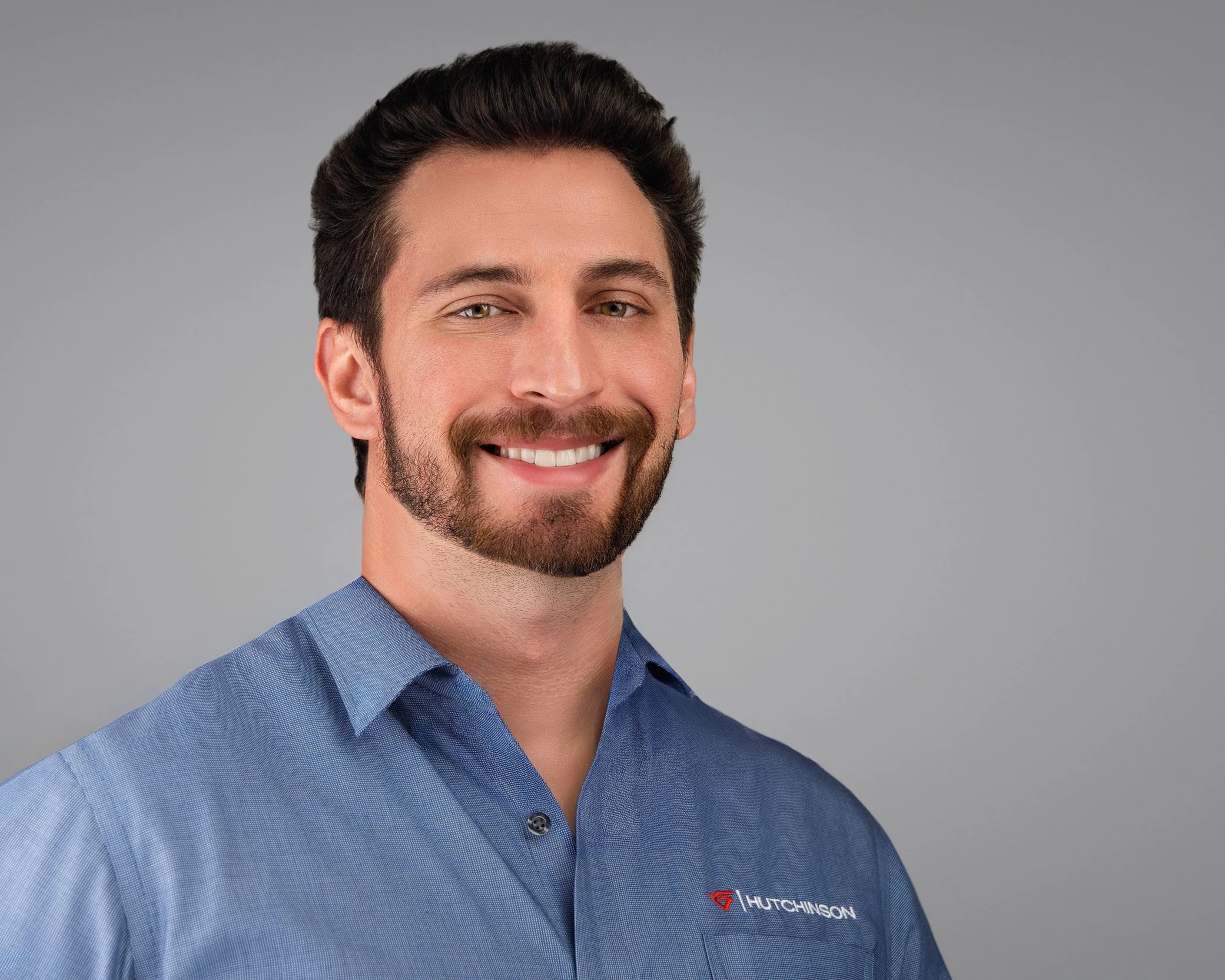
Approachable, well-lit corporate headshot reflecting consistent style and cohesive team branding through clean background, confident expression, and polished wardrobe.
A good photographer will help you plan the logistics---timing blocks, wardrobe guidance, a simple prep checklist, and a process for selecting finals---so the day runs smoothly.
What Can Go Wrong When You DIY: Don't Try This at Home
While the idea of taking your own headshots can be appealing, especially for those on a tight schedule, there are several pitfalls that can lead to less than optimal results. If you're asking "can I take my own headshots?" or searching for a DIY professional headshot, a professional headshot at home, or headshots at home, be mindful of these common mistakes:
Poor Lighting Choices: Relying on overhead lights or harsh artificial lighting can create unflattering shadows and an unnatural appearance. It's crucial to use natural, diffused light to achieve a professional look. This is central to how to make professional photos and how to take a headshot at home.
Distracting Backgrounds: A cluttered or busy background can take attention away from your face. It's important to select a simple, distraction-free environment to enhance your professional image---a plain wall works well for headshots at home.
Subpar Camera Quality: Using low-resolution cameras or poorly focused shots can result in grainy, unclear images. Even if you're using a smartphone, ensure that your device has a good camera and that you're familiar with its settings. This matters for how to take professional pictures at home.
Awkward Angles: Taking photos from low or high angles can distort your facial features. Experimenting with angles is essential, but it's best done under the guidance of someone who knows what looks flattering. Small height adjustments are key when taking a headshot at home.
Lack of Professional Retouching: DIY photos often miss the expert retouching that removes blemishes and enhances features while maintaining a natural look. Without this, your images may seem unprofessional.
Nervous Expressions: Feeling self-conscious can lead to stiff poses or forced smiles that don't convey your true personality. A professional photographer knows how to bring out natural expressions that resonate with your audience.
Inconsistent Quality: DIY headshots can lack the consistency needed for a professional brand image. Differences in lighting, angles, and photo quality can be jarring across platforms like LinkedIn or a company website.
Taking your own headshot can be tempting, but these common pitfalls illustrate why it may be worth investing in a professional photographer. They have the skills, equipment, and experience to capture you at your best, ensuring a polished and credible representation of your brand. If you do proceed with taking a professional headshot at home, keep expectations realistic.
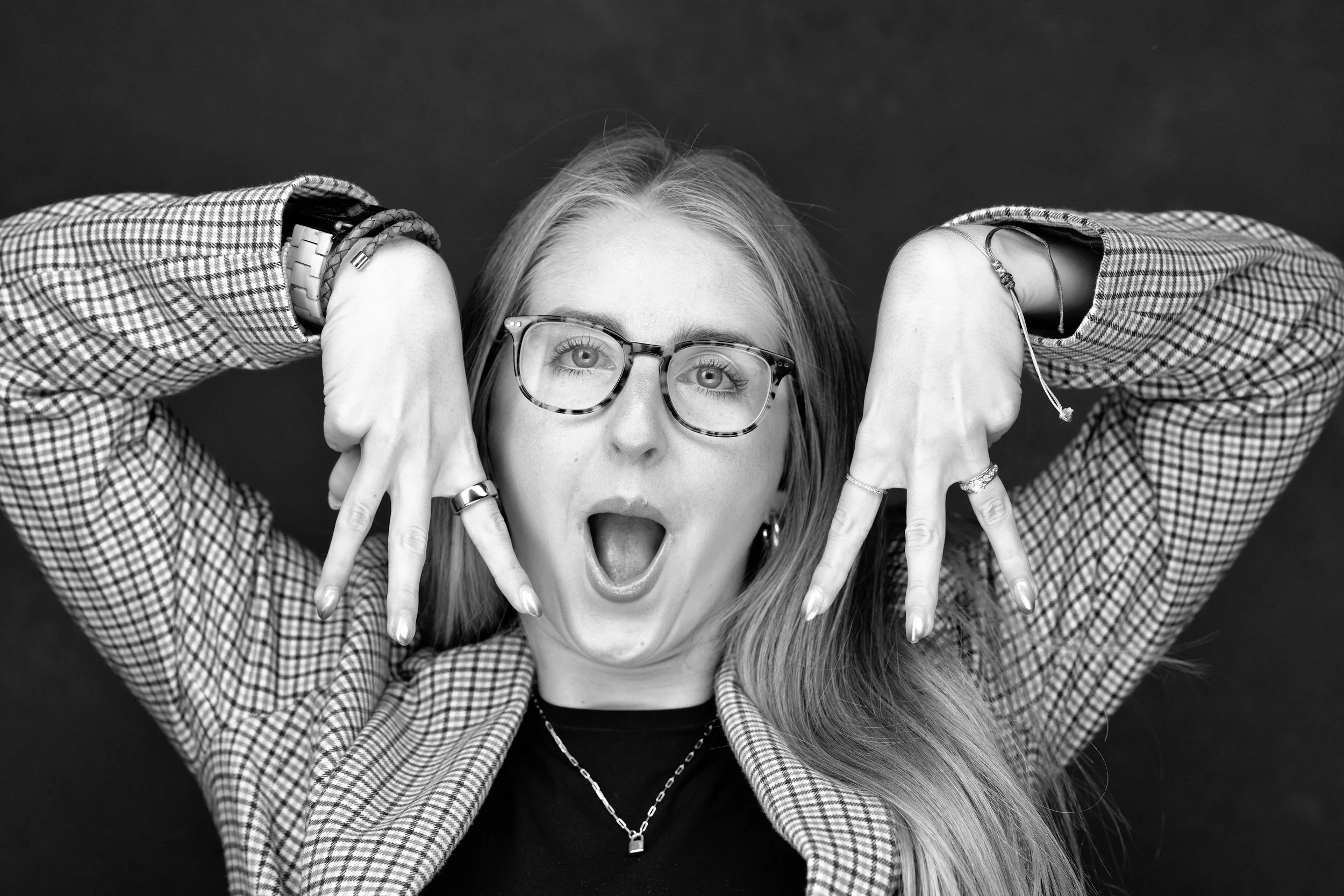
A personality-driven headshot that adds fun while still aligning with a cohesive team style and consistent visual branding. All of the subjects were asked to make a funny face, which will be used creatively in a future slideshow presentation.
A Big Standard Smile Isn't Required (and Can Hurt the Result)
The best headshots don't all look the same. A forced, oversized smile can read as nervous, salesy, or mismatched to your role. For many professionals, a relaxed expression---soft smile, neutral confidence, or calm seriousness---creates a stronger, more credible impression.
What matters most is alignment: your expression should match your purpose. A photographer who specializes in professional portrait work will coach expression in a way that feels natural, not performative---and that coaching helps with how to take a good headshot that fits your role.
The Fine Print: Pricing, Retouching, and Usage Rights
When comparing photographers, make sure you understand what is included---and what isn't. Packages often vary based on session time, number of final images, retouching level, and usage rights.
Session fee: Time, expertise, and setup.
Image selection: How many finals you receive and how you choose them.
Retouching: Removing temporary blemishes and distractions while keeping your natural features.
Usage: Where and how you can use the images (web, print, advertising, etc.).
If you're building a long-term brand, it's worth paying for work that looks timeless and authentic---not trendy or over-processed.
The Chemistry Factor: Why Comfort Behind the Lens Changes Everything
Even perfect lighting can't fix a tense expression. The right photographer will direct you clearly, keep the session efficient, and help you feel at ease so your expression looks natural. Before booking, a quick call can tell you a lot about their process and how they coach clients who don't love being photographed. That kind of direction is a big part of how to take a headshot that feels authentic.
Ask questions like:
How do you help clients choose the right expression for their industry?
Do you provide wardrobe guidance and posing direction?
How do you keep team headshots consistent across multiple people?
Your Next Step in the Tri-Cities
Define how your headshot will be used, choose a photographer whose portfolio shows consistent, natural-looking results, and prioritize a process that includes real direction---not just a camera and a backdrop. Whether you need a studio session for a single professional headshot or an on-site team day for your company in the Tri-Cities, a skilled photographer will help you look like a credible, confident version of yourself across business headshots and beyond. And if you're curious about how to take a good headshot at home, start with simple light and clean backgrounds, then refine with practice.
Q&A
Question: How do I choose between a studio session, an on-site shoot, or a DIY headshot?
Short answer: Start with how and where the image will be used, then match the setting to that goal.
Choose studio for controlled, reliable polish and cross-platform consistency---great for business, medical, legal, executives, or a single standout portrait. If you're focused on how to take the best headshot, the studio's control helps.
Choose on-site when you're photographing multiple people and need consistency and efficiency; in the Tri-Cities (Kingsport, Johnson City, Bristol), a mobile studio at your office minimizes disruption and keeps team visuals uniform.
Choose DIY for a quick refresh or tight deadlines; it will only work if you're thoughtful about light, framing, and wardrobe---hire a pro when the images will represent your brand broadly or long term. For a fast update, practice how to take a good selfie headshot.
Question: What should I look for in a photographer's portfolio to judge quality?
Short answer: Look for repeatable fundamentals across many faces, not one standout image.
Skin and retouching: Clean and natural---no plastic, over-blurred look.
Eye engagement: Sharp focus with catchlights so eyes feel alive.
Flattering angles: Natural-looking faces with good posture and jawline definition.
Background discipline: Nothing distracting; the background supports the subject.
Consistent delivery across different people signals the photographer can achieve your result on purpose.
Question: What expression works best for a professional headshot---do I need a big smile?
Short answer: A big, standard smile isn't required and can undermine credibility if it feels forced. Aim for alignment with purpose: approachable, authoritative, calm, or creative. A specialist will coach micro-expressions so you look natural and confident rather than posed or salesy.
Question: What should I clarify about pricing, retouching, and usage rights before booking?
Short answer: Make sure you know exactly what's included.
Session fee: Time, expertise, and setup.
Image selection: How many finals you receive and how they're chosen.
Retouching: Level of polish (temporary blemish removal, distraction cleanup) while preserving natural features.
Usage rights: Where and how you can use images (web, print, advertising).
If you're building a long-term brand, prioritize timeless, authentic work over trendy, over-processed edits.
Question: Can I take a professional-looking headshot at home---and how?
Short answer: Yes---use simple, intentional choices. If you're asking how to take a professional headshot at home, follow these steps.
Location/light: Face a bright window with indirect light; use a plain wall and remove visual clutter. This is the simplest approach to how to take a headshot at home and how to take professional pictures at home.
Angles: Avoid overhead light; hold the camera slightly above eye level or use a tripod and timer.
Framing/expression: Crop mid-chest to above the head; practice relaxed, confident looks. This helps with how to take the best headshot.
Technique: Use the back camera, tap to focus on the eyes, and step back to prevent distortion; ask a friend to help if possible. These basics apply to how to take a headshot and how to take a great headshot.
Polish: Solid colors, steamed wardrobe, tidy hair and glasses.
This is great for a quick refresh; for broad marketing or long-term use, a pro helps align the image to your brand and shows you how to take a professional headshot at home with confidence